Please read the following carefully and make sure you understand everything.
Estimated Reading Time for this Module: 5 minutes
When driving to a client’s home, the first thing we ask is to please do not park in the driveway. There are many reasons for this. Firstly, clients may be leaving which will require you to have to exit the home to move your car. Secondly, you may or may not know that your car is leaking oil. Even if it doesn’t leak, a client might see a spot in their driveway and may accuse the cleaner of leaving those spots – better to be safe than sorry! We would like you to park on the side of the road next to the home if possible unless the client states otherwise.
A lot of times, homes are empty when we arrive. You may have either a key, keypad, or garage code listed in the notes in your Booking Koala app for entry. Always check your notes on your houses for the day beforehand to avoid any surprises.
The first thing we ask all employees is to PLEASE NOT PARK IN THE GRASS OR DRIVEWAY (unless the client gives you express permission beforehand). The reason for this is because we may not be aware that our car is leaking oil or other fluids. Even if we know it isn’t, clients won’t know but there’s the possibility that they may accuse us of damaging their driveway or grass if an incident does occur. When possible, please follow the steps below:
- ALWAYS:
- Check your notes for instructions on parking
- Drive a little further down to look for additional parking
If you can’t find a solution:
- Try calling the customer, or, knock on the door and ask for a solution.
- If you are unable to reach the customer and there’s no one home, call the office.
It will be very important to read all the notes about the home you are about to clean the day before. The office will try and make sure that everything you need to confidently do you job is written in the notes. Please read the following on what to do before getting out of your car to begin cleaning:
- Double check notes for entry access
- Read ALL the notes before entering the home so that you are prepared
- Know exactly what to watch for if there are pets (example, cat will try and run out!)
- Know exactly what service you are performing and what’s included
You may find instances when you cannot seem to get into a clients home to begin cleaning. Please refer to the following if something seems amiss:
1. Are you at the right house?
- Double-check the address is 100% correct
- Some homes have similar addresses but are on different streets (IE: Avenue S vs Avenue E, 23rd St vs 23rd La)
- Double-check for job entry notes in your SA App
- Try knocking on the door
- Look under the mat for a key
2. Try calling the customer
3. If you are unable to reach the customer, call the office.
You will run into a variety of situations when arriving at the clients’ homes. Please follow the procedures in the order below:
- Check your notes in the BK app to see if there are entry details for the home
- Knock on the front door
- Knock on the door inside the garage that leads to the house
- If nobody answers, try calling the customer.
- Once you are sure there’s nobody home and you are unable to reach the customer by phone, call the office.
If you are entering a home and the alarm goes off, refer to the following steps:
- Check the Notes
- Immediately CALL THE CUSTOMER
- If you can’t reach the customer, immediately CALL THE OFFICE (919.754.4300).
- The office may be able to contact the client and have them remotely turn off the alarm.
If the client is home when you arrive, first knock. If nobody answers, then it should be fine to enter the home – just be sure to check the notes in your app in case there are special instructions (such as “do not knock!”).
Upon entering, announce yourself by saying “Hello. It’s ____ with The Mission Maids.” You would be surprised – every once in a while the client may be running late or may still be in the shower but didn’t hear you knock. It would not be a great experience if you walked in on someone in the shower.
We should greet the client formally by their last name (IE: Mrs. Smith or Mr. Smith). If you cannot pronounce their last name, just call them “Mr. or Mrs. S”.
Although rare, you may encounter a client or someone who lives at the home who is angry about you being there. Please read the following so there is no confusion as to what you should do. We never want to put you in an uncomfortable situation, so familiarizing yourself with the appropriate response will help.
1. Immediately apologize for the confusion and explain to them that you will contact the office to get everything sorted.
2. Immediately step back outside and call the office to explain the situation
Make sure to word things carefully as the client may be able to hear your conversation – word things as a thoughtful consideration for the client.
We know at times, it can get very hot while cleaning. We will do our best to send out thermostat/temperature requests to all of our clients when it is a concern. You are allowed to lower the thermostat for the air conditioner in a client’s home, but you must return it back to its original setting.
If at any time you forget to return the thermostat back to the original setting, immediately contact the office.
Because some of our clients are seasonal, imagine having the thermostat turned down to 70º for a month – the electric bill would be enormous!
If you forget – since accidents happen – you must contact the office immediately, regardless if it is the afternoon or on a weekend – you must still call the office to address this.
If you have questions about the thermostat or do not know how to adjust it, please call the office because we will be able to reach out to the client since some thermostats are locked by default.
It is VERY important to communicate with the office if you feel that the cleaning is not up to The Mission Maids standard and what we would normally clean. Please read the following to determine what we handle and how we deal with certain situations:
***DO NOT start cleaning if it is not within our normal scope of service***
IF THE CLIENT IS HOME
- Discuss with the client if:
- There is pet waste in the home
- There is a pile of dishes
- There are piles of laundry scattered throughout the room
- There are toys or items scattered throughout the entire home
- SCRIPT: “Would you mind picking up this area so I can clean it better or would you prefer I just work around the area?”
- Try to politely discuss like its no big deal with the clients that certain things aren’t within our scope of service and that you would not be able to tend to those items if it hasn’t been previously addressed when scheduling.
- Working it out with the client yourself is ideal and many times not a big deal.
- Contacting the office can make for a situation that is awkward when it doesn’t need to be. If you put yourself in the customers shoes, it doesn’t make sense to call the office when to many it is not a big deal to discuss it directly with them. This also saves time in many cases.
- If you can’t resolve this directly with the client, here is a script, “Okay, I will contact the office and see what the next step will be, thank you”
- Call the office to let them know if it is not easily resolved with the client. At least if you tried to communicate the issue and it is unresolved, it would make more sense to the client to involve the office.
- If unable to resolve, if possible, send the office a photo of the situation
- if you feel the client may be uncomfortable with you taking photos, do not do it.
IF THE CLIENT IS NOT HOME
- Call the office to explain the situation.
- Send a photo of the situation.
Wait for instructions from the office.
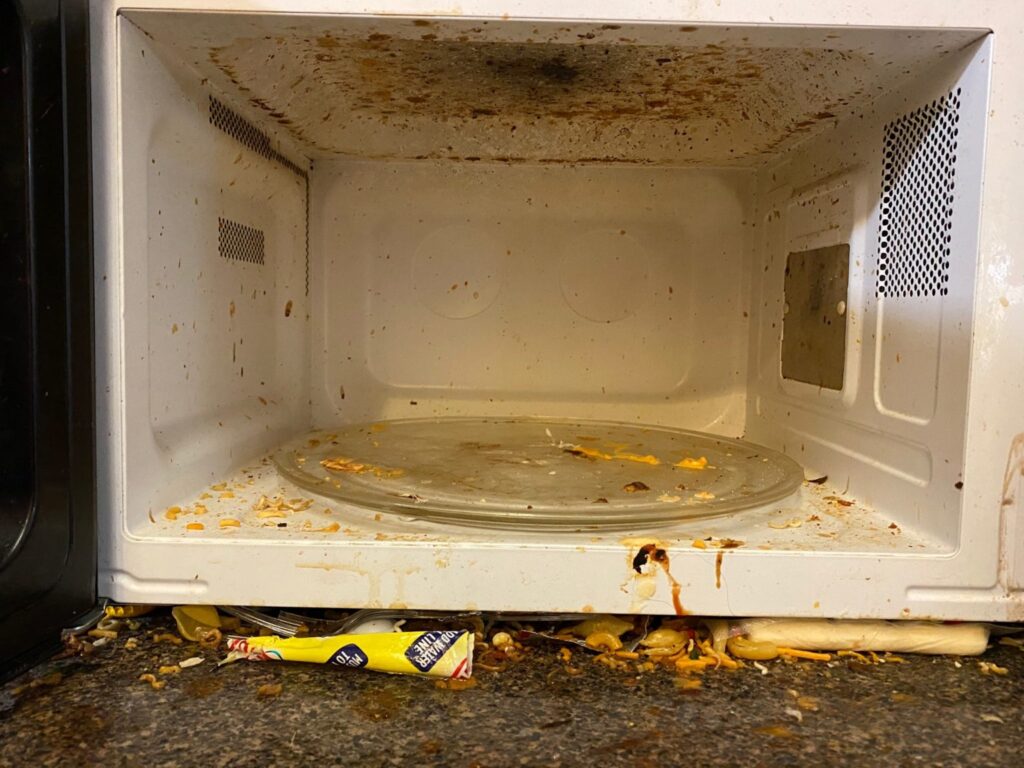
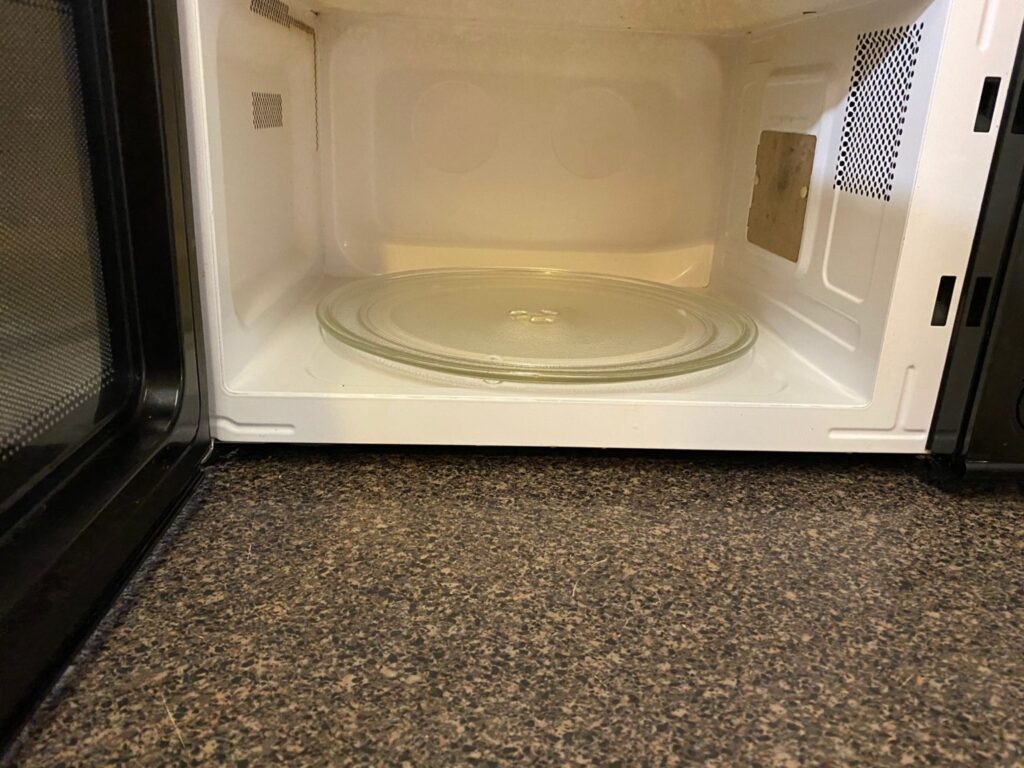
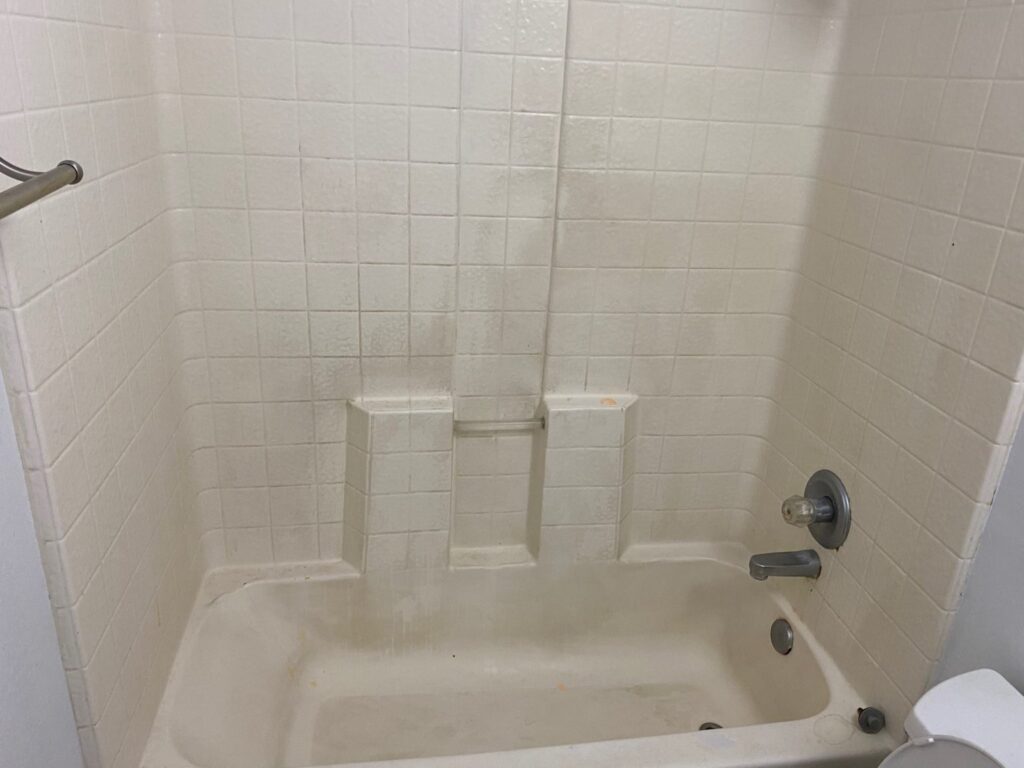
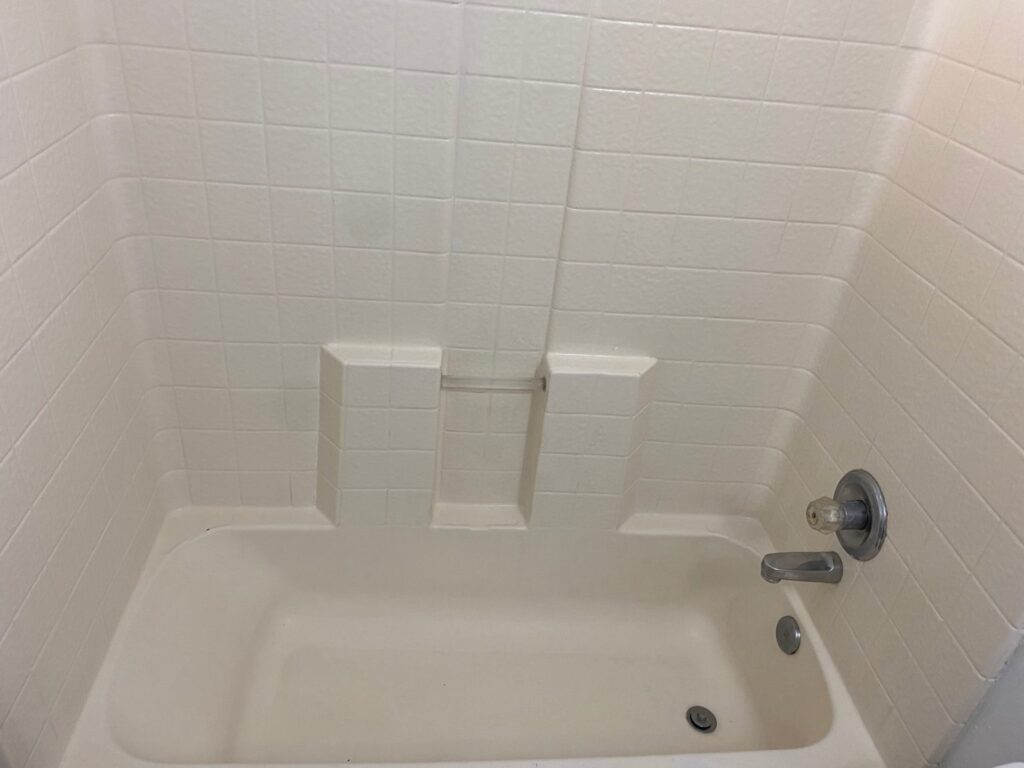
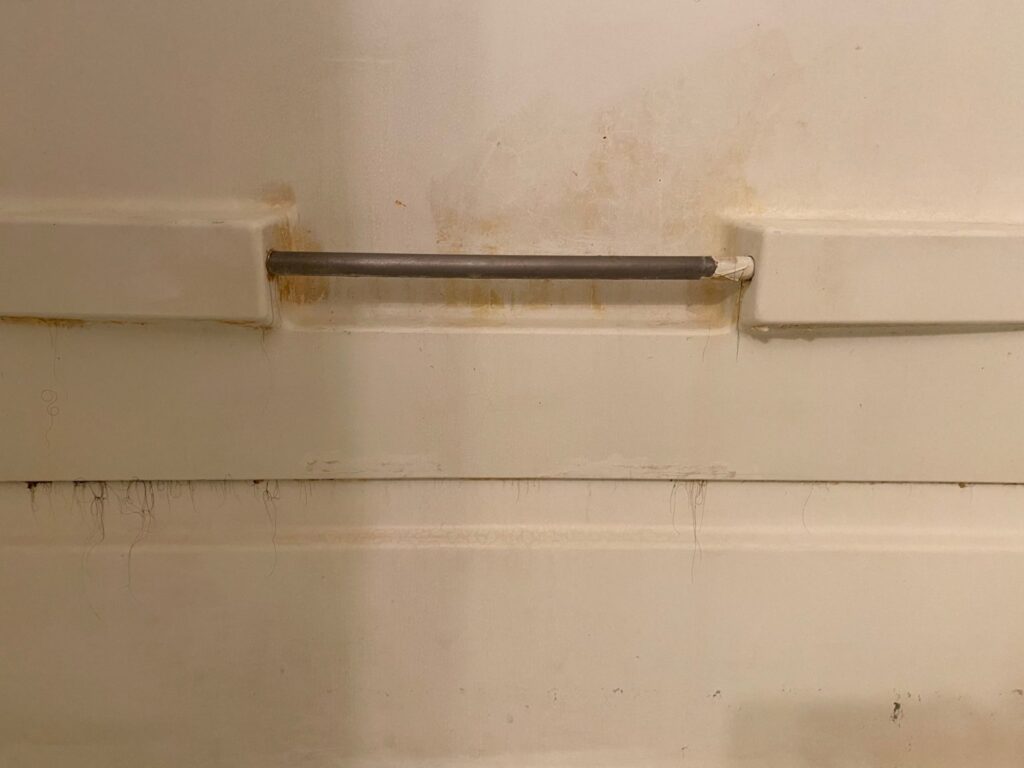
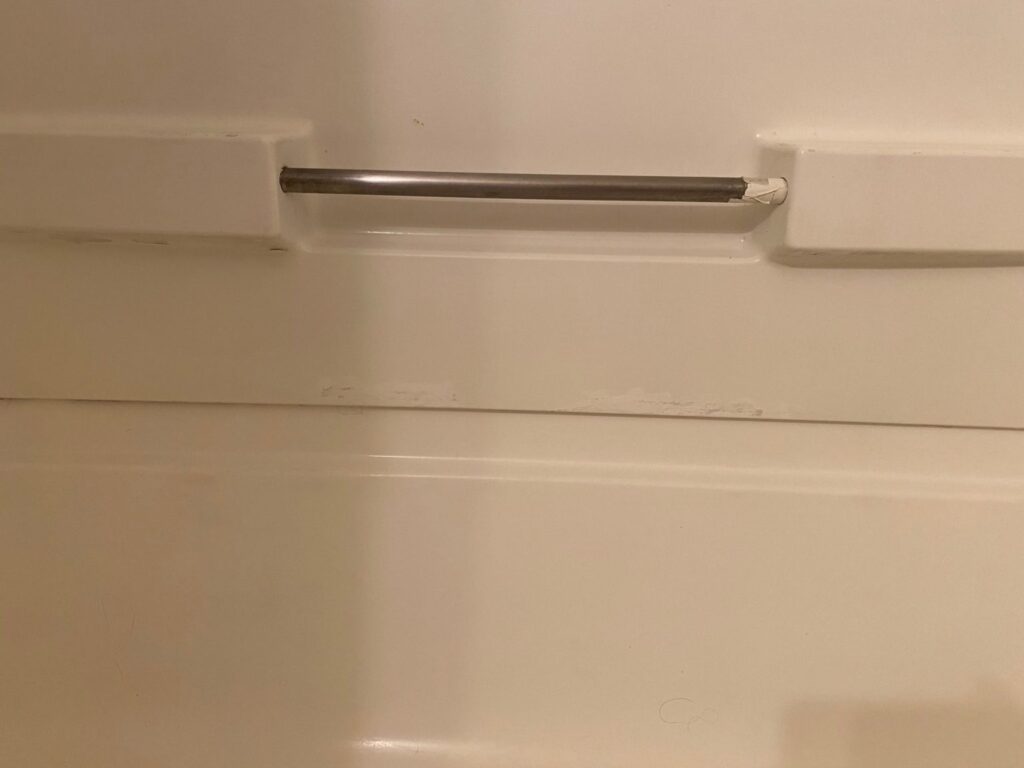
“Pardon the mess!” – Take a look at the photos below to become familiar with how to take proper photos. It’s a lost art, but much needed because it is helpful when you run into situations where you feel the office or client may need proof of the job you did.
- Take photos of the same area at the same angle to ensure accuracy – see examples